Choosing an Outboard Motor in Canada: What Actually Matters for Cold-Climate Boating
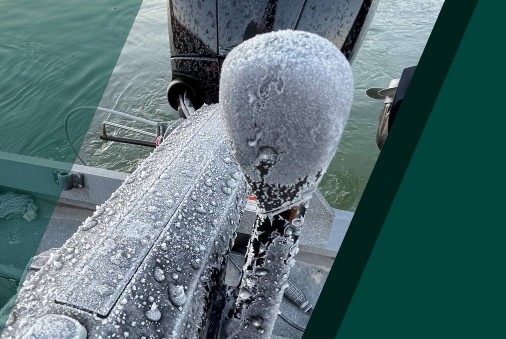
Outboard motor shopping advice written for US boaters often glosses over the specific demands Canadian conditions place on an engine — shorter boating seasons, more freeze-thaw cycling in storage, and, in much of the country, colder water year-round. Here’s what to actually weigh.
Two-stroke vs. four-stroke: the tradeoff hasn’t disappeared
Modern direct-injection two-stroke outboards have closed much of the fuel-efficiency and emissions gap with four-strokes, but four-strokes generally still win on fuel economy and quieter, smoother running, while two-strokes remain lighter per horsepower and often cheaper to service — a real advantage for smaller boats where weight distribution matters more. For most recreational Canadian boaters running mid-size horsepower on lakes and coastal waters, four-stroke has become the more common default, but the two-stroke case isn’t gone, particularly for smaller tenders and utility boats.
Horsepower limits are set by your boat, not your preference
Every boat has a maximum-rated horsepower set by the manufacturer (found on the capacity plate), and exceeding it isn’t just a warranty issue — it’s a genuine handling and safety risk, and in some cases a Transport Canada compliance issue. Always confirm the capacity plate rating before shopping for a repower rather than choosing a motor based on what a similar boat elsewhere is running.
Weight distribution matters more in Canadian conditions than the spec sheet suggests
A heavier four-stroke mounted on a smaller hull changes the boat’s handling and fuel efficiency more than most first-time buyers expect — this is especially relevant on the smaller aluminum boats common on Canadian lakes, where an over-powered or improperly weighted transom can visibly affect how the boat sits and handles, not just its top speed.
Cold-climate maintenance is where Canadian ownership actually differs
Proper winterization — draining the cooling system fully, fogging the engine, and stabilizing fuel — matters more in Canada than in year-round boating climates, since a poorly winterized outboard left through a Canadian winter risks cracked blocks from residual water freezing. This is the single biggest cause of preventable, expensive spring repairs reported by Canadian marine service shops.
New vs. used: where the value actually is
A well-maintained used outboard with clear service records and low hours can be genuinely excellent value, particularly in a market like used Mariner outboards where parts and service knowledge remain widely available in Canada despite the brand no longer being actively sold new. The deciding factor should be maintenance history and hour count, not just age or price — a well-serviced 10-year-old motor often outperforms a neglected 3-year-old one.
Fuel considerations specific to the Canadian market
Ethanol-blended gasoline (widely sold across Canada) can degrade fuel lines and seals in older outboards not designed for it, and separates over time if a boat sits between uses — a real issue given Canada’s short boating season leaves motors sitting for months at a stretch. Using a fuel stabilizer for any period of storage longer than a few weeks, and confirming your specific motor’s ethanol tolerance with the manufacturer if it’s more than a few years old, prevents a common and avoidable spring start-up problem.
Registration and licensing requirements to sort out before the season starts
Most powered pleasure craft in Canada require a Pleasure Craft Licence (for vessels with motors 10hp or greater) or a Pleasure Craft Operator Card demonstrating boating safety competency — both administered through Transport Canada, and both worth confirming and sorting out well before the boating season starts rather than discovering a gap on the first warm weekend.