
Seven Signs Your Edmonton Home May Need an Electrical Upgrade
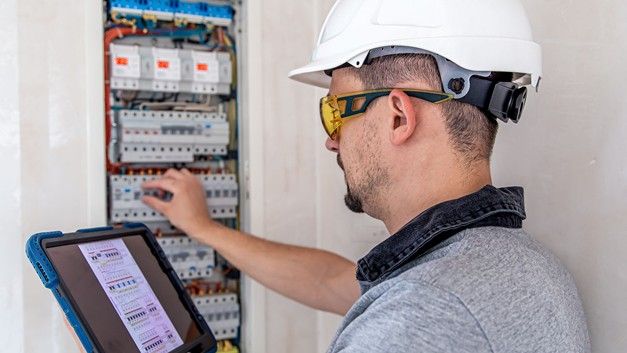
Most homeowners do not spend much time thinking about the electrical system behind their walls.
As long as the lights turn on, appliances work and outlets provide power when needed, it is easy to assume everything is fine. But a home’s electrical system is not static. The way people use their homes changes over time, and those changes can place new demands on wiring, circuits, panels and electrical service.
A basement may become a home office. A kitchen may receive larger appliances. A family may add air conditioning, additional electronics or other high-demand equipment. Older homes may also have electrical systems that were designed for a very different level of household electricity use.
None of these changes automatically means an electrical upgrade is necessary. However, there are signs that can indicate a home should be evaluated by a qualified electrician.
For Edmonton homeowners, recognizing those signs can make it easier to address electrical problems before they become a larger disruption.
1. Circuit Breakers Trip Repeatedly
Circuit breakers are designed to interrupt electrical power when a circuit experiences a problem, such as an overload.
An occasional trip does not necessarily mean something is seriously wrong. The problem is when the same breaker keeps tripping under normal household use.
For example, a breaker may shut off whenever a particular appliance is running, or it may trip when several devices are being used at the same time. Repeated trips can point to an overloaded circuit, an issue with connected equipment, a faulty breaker or another electrical problem.
Simply resetting the breaker every time it trips does not address the underlying cause.
Homeowners should instead pay attention to when and how the problem occurs. Does it happen when a space heater is turned on? Does it happen when kitchen appliances operate simultaneously? Does the breaker trip even when the electrical load appears relatively small?
Those details can help an electrician identify the source of the problem.
In some cases, the solution may be a relatively straightforward repair. In others, the home’s electrical system may need additional circuits or an upgrade to accommodate its current requirements.
The important point is that repeated breaker trips should not become part of the normal routine.
2. Your Lights Flicker or Dim When Appliances Run
Flickering or dimming lights are another electrical warning sign homeowners may notice.
A light that occasionally flickers because of a loose bulb or a fixture issue may have a simple explanation. But persistent flickering, particularly when it occurs across multiple fixtures or coincides with appliances switching on, deserves further attention.
Large appliances can place significant demand on an electrical circuit when they start. If lights repeatedly dim or flicker when equipment operates, there may be an issue involving the circuit, connections, electrical load or another component of the system.
This does not automatically mean the entire home needs new wiring.
A professional assessment can determine whether the problem is limited to one fixture or circuit or whether it reflects a broader issue with the electrical system.
Homeowners should also take note of other symptoms occurring at the same time. Frequent breaker trips, buzzing sounds, warm outlets or unusual smells can provide additional clues that an electrical problem needs to be investigated.
3. You Are Running Out of Outlets
Not having enough electrical outlets may sound like a minor inconvenience, but it can reveal that a home’s electrical layout no longer matches the way the property is being used.
Modern households often require power in many more places than they did when older homes were originally designed.
A home office might contain multiple monitors, computers, networking equipment and chargers. A living room may have a television, gaming console, speakers and other electronics. Kitchens can have several appliances operating in the same area.
When there are not enough conveniently located outlets, homeowners may start relying heavily on extension cords and power strips.
These products have legitimate uses, but they should not become a permanent substitute for an appropriately designed electrical system.
If a renovation or change in household use has created a need for additional outlets, it may be worth having an electrician evaluate the existing circuits before new outlets are added.
The goal is not simply to create more places to plug things in. The new outlets also need to be connected to circuits that are suitable for the expected electrical load.
4. You Are Planning a Basement Development or Major Renovation
Major renovations provide an excellent opportunity to review a home’s electrical infrastructure.
When walls are being opened or rooms are being redesigned, it is much easier to plan wiring, outlets, lighting and circuits as part of the overall project.
Basement renovations are a particularly good example.
A basement that once served primarily as storage can eventually become a bedroom, office, recreation room, guest area or additional living space. The electrical requirements of the finished space can be very different from those of an unfinished basement.
Homeowners may want additional lighting, outlets, entertainment equipment, appliances or dedicated circuits for specific equipment.
The same principle applies to kitchen renovations, additions, garages and other projects that change how a property is used.
Electrical planning should ideally happen before the renovation is too far along. Discovering that additional wiring or circuits are needed after walls have been closed can create unnecessary delays and additional work.
A homeowner considering residential electrical services in Edmonton can work with an experienced local electrical contractor to evaluate the existing system and determine what electrical work is appropriate for the planned project.
The assessment should consider both the current electrical system and the intended use of the renovated space.
5. Your Home Has an Older Electrical Panel
The electrical panel is one of the most important components of a home’s electrical system.
It distributes electricity to the property’s circuits and provides protection against certain electrical faults. Because of this, changes in the home’s electrical demand can make the panel increasingly relevant.
However, an older electrical panel is not automatically unsafe simply because of its age.
The more useful question is whether the existing panel and electrical service are appropriate for the home’s current requirements.
Consider a property where the electrical system has remained largely unchanged while the household has added major appliances, a home office, air conditioning, electric heating or other equipment.
The home’s electricity demand may have changed significantly even though the panel itself has not.
This is one reason homeowners should avoid assuming that a panel needs to be replaced simply because it is old. An electrician can assess the system and determine whether the existing panel is adequate or whether an upgrade is justified.
Electrical Panel Upgrades: When Are They Actually Necessary?
An electrical panel upgrade may become relevant when a home’s electrical requirements have increased beyond what the existing system can appropriately support.
It can also be considered when there are recurring electrical problems or when a significant renovation introduces new electrical demands.
For example, a homeowner planning a major renovation may want to understand whether the existing service has enough capacity for the planned additions before purchasing new equipment.
A panel upgrade is not necessarily the answer to every electrical problem. Depending on the circumstances, the appropriate solution could instead involve repairing an existing circuit, adding a dedicated circuit, replacing a component or making another targeted improvement.
A qualified electrician can determine what the property actually requires rather than recommending an upgrade simply because it is possible.
6. You Notice Burning Smells, Sparks or Warm Outlets
Some electrical warning signs should receive more immediate attention.
A burning smell near an outlet, switch or electrical panel is not something homeowners should ignore. The same applies to visible sparks, scorch marks, unusual buzzing or an outlet or switch that becomes noticeably hot during normal use.
There can be different explanations for these symptoms, but they can indicate an electrical fault, poor connection, overloaded component or overheating.
Homeowners should not attempt to solve an unfamiliar electrical problem by repeatedly turning equipment on and off or resetting a breaker to see whether the symptoms disappear.
When an electrical component appears abnormal, it is better to have the source investigated.
It is also important to distinguish between normal warmth from certain equipment and unusual heat coming from an electrical outlet, switch or panel. If something feels significantly hotter than expected or develops a burning smell, professional attention is warranted.
Electrical systems involve interconnected components, so the visible symptom is not always the location of the underlying problem.
7. Your Home’s Electrical Needs Have Changed
One of the biggest reasons a previously adequate electrical system may need attention is simply that the household has changed.
Think about what a typical home may look like over a period of ten or twenty years.
A family moves into a house and initially uses it with a relatively modest number of appliances and electronic devices. Over time, they add computers, televisions, kitchen equipment, laundry appliances, home entertainment systems and other electrical loads.
Then they finish the basement or renovate the kitchen.
The electrical system may still work, but it is now supporting a very different household.
This does not mean homeowners should automatically replace everything. Instead, significant changes in electrical demand are a good reason to consider whether the existing system remains appropriate.

When a Service Upgrade May Be Worth Considering
A service upgrade is different from simply replacing an individual component.
The need for a service upgrade depends on the property’s electrical requirements and the capacity of the existing service.
Homeowners considering major additions or high-demand equipment may benefit from discussing their plans with an electrician before installation.
For example, adding several significant electrical loads at once can change the overall requirements of a property. Understanding those requirements beforehand can help avoid discovering capacity limitations after construction or installation has already begun.
The appropriate solution depends on the specific home, its existing electrical infrastructure and its planned use.
Why Older Edmonton Homes May Need Extra Attention
Edmonton’s residential neighbourhoods include homes built during many different periods, and electrical systems can vary considerably from one property to another.
A home’s age does not automatically tell you whether its electrical system is safe or adequate.
What matters is the condition of the wiring and components, the work that has been performed over the years and the demands currently being placed on the system.
A house that was sufficient for one family decades ago may now support substantially more electrical equipment.
Previous renovations can also affect the picture.
Electrical work may have been completed at different times by different contractors or homeowners. An addition, basement development or kitchen renovation may have introduced new circuits and equipment without changing other parts of the system.
When planning another major project, understanding the existing setup can help homeowners make better decisions.
What Happens During a Home Electrical Inspection?
Many homeowners hesitate to have their electrical system evaluated because they assume an inspection will automatically lead to expensive recommendations.
A professional assessment does not necessarily mean that a major upgrade will be required.
The purpose is to understand the condition and suitability of the existing system.
Depending on the reason for the assessment, an electrician may examine the electrical panel, wiring, outlets, switches, circuits and other relevant components. They can also discuss the home’s current electrical usage and planned changes.
If a homeowner is preparing for a renovation, the discussion can focus on the electrical requirements of the new space.
If the homeowner is experiencing recurring problems, troubleshooting can focus on identifying the source of those symptoms.
The result should be a clearer understanding of what needs attention now, what may need attention later and what does not require any change.
Repair or Upgrade? How Homeowners Can Think About the Difference
It is easy to assume that an electrical problem means an upgrade is necessary.
In reality, electrical systems can have many different types of problems.
A faulty switch may require a repair. A damaged outlet may need replacement. A single overloaded circuit might require a dedicated circuit for a particular appliance.
An upgrade becomes more relevant when the existing infrastructure cannot appropriately support the property’s current or planned requirements.
This distinction matters because homeowners should not pay for unnecessary work.
A good electrical contractor should be able to explain what has been identified, why the work is recommended and what alternatives may exist.
Clear communication is particularly important for larger projects where electrical work represents only one part of a renovation.
Planning Electrical Work During a Basement Renovation
Basement projects are often treated primarily as construction or interior-design projects.
But electrical planning should be part of the conversation from the beginning.
Before framing and drywall are completed, homeowners can consider where lighting fixtures, switches and outlets will be needed. They can also identify equipment that may require dedicated electrical circuits.
This is especially useful when a basement is being converted into a frequently used living area.
A home office, entertainment room or additional bedroom may have very different electrical requirements from an unfinished storage space.
Planning these needs early can make the construction process more coordinated and reduce the likelihood of having to reopen finished walls later.
The same approach applies to other renovations.
When the electrical contractor understands the overall purpose of the space, the electrical work can be planned around how the homeowner actually intends to use it.
Planning for New Appliances and High-Demand Equipment
Another situation worth considering is the installation of major new equipment.
Homeowners may purchase new appliances or equipment without thinking about whether the existing electrical system is designed to support them.
Before installation, it can be useful to review the electrical requirements of the equipment and compare them with the available circuits and capacity.
This is especially relevant when several changes are being made at the same time.
For example, a kitchen renovation might involve replacing several appliances while also adding new lighting and outlets. Looking at each item separately may overlook the effect of the combined electrical demand.
Early planning gives homeowners an opportunity to identify potential issues before installation.
When an Electrical Problem Cannot Wait
Some electrical problems are suitable for a scheduled appointment.
Others require a faster response.
A sudden electrical fault, serious wiring problem, burning smell, visible sparking or another urgent issue may require professional attention rather than waiting for a convenient time.
In these situations, homeowners may need 24/7 emergency electrical service.
Can Electric 247 Inc. provides emergency electrical services as part of its electrical services in Edmonton and surrounding communities. The company also provides residential and commercial electrical work, including repairs, wiring, inspections, lighting and electrical upgrades.
For an urgent electrical issue, homeowners should prioritize safety and avoid attempting repairs they are not qualified to perform.
Choosing a Residential Electrician in Edmonton
When electrical work is needed, homeowners should look beyond price alone.
Electrical work involves safety, property and long-term reliability, so the contractor’s qualifications and experience matter.
Homeowners can ask whether the electrician is licensed and insured, what type of residential work the company regularly handles and whether the contractor can clearly explain the recommended work.
Communication is another important consideration.
For larger projects, homeowners should understand what is included, what work is being proposed and what the expected costs are before the project begins.
Can Electric 247 Inc. is an Edmonton-based electrical contractor providing residential and commercial electrical services. The company states that its electricians are licensed and insured and offers services ranging from electrical repairs and troubleshooting to panel upgrades, wiring, lighting installation and inspections.
The company also serves Edmonton and surrounding areas including St. Albert, Leduc, Sherwood Park, Nisku, Strathcona County, Beaumont, Windermere, Glenora, Jensen Lakes and Erin Ridge.
A Safer Way to Think About Home Electrical Systems
Home electrical systems are easy to overlook because most of their components are hidden behind walls, ceilings and panels.
But the demands placed on those systems can change as a property and household evolve.
A recurring breaker trip, flickering light, shortage of outlets, warm electrical component or burning smell can be a useful warning that something deserves attention. Major renovations and the addition of high-demand equipment can also be good opportunities to review the existing system.
Not every warning sign requires an expensive upgrade.
Sometimes the right solution is a repair. Sometimes a new circuit is appropriate. In other situations, an electrical panel or service upgrade may be justified.
The best approach is to understand the actual condition and requirements of the home before deciding what work is necessary.
For Edmonton homeowners, paying attention to electrical warning signs and planning electrical work alongside renovations can make home improvements more predictable while helping ensure the electrical system remains suitable for the way the property is used today.